Health & Safety Policy — Marylebone Man with Van
Marylebone Man with Van is committed to maintaining the highest standards of health and safety for all staff, contractors and members of the public affected by our rubbish removal and waste collection activities. This policy sets out our approach to risk management, safe operations and legal compliance across our service area. The objective is to reduce incidents, protect health, and ensure that all moves, clearances and rubbish collection tasks are carried out with due care.
Scope and Definitions
This policy applies to every person who works for or on behalf of
Marylebone man-and-van, including agency staff and subcontractors engaged in domestic or commercial removals, waste transport and clearance services.
Rubbish company service area operations include collection, sorting, transportation and disposal of general and non-hazardous waste.
Hazardous or controlled wastes will be handled only under specific procedures and never as routine rubbish collection.

Responsibilities
Management will ensure adequate resources, training and supervision are available. Staff must follow safe systems of work and report hazards. Key responsibilities include:
- Management: implement policy, provide training, maintain records, and carry out regular audits.
- Supervisors: ensure safe working practices on each job and provide site briefings.
- Operatives: follow instructions, use PPE and report incidents immediately.
Risk Assessment and Safe Systems
Risk assessments will be conducted for all routine operations and unique jobs such as bulky rubbish removal or loft and garden clearances. Assessments will identify manual handling hazards, vehicle loading risks, sharps and biological risks, and environmental considerations. Control measures will be implemented, monitored and recorded to ensure
man with a van Marylebone operations meet safety expectations.

Vehicle and Equipment Safety
Vehicles are central to our service. Regular pre-shift vehicle checks, scheduled maintenance and secure load procedures are mandatory. Drivers will use seatbelts, comply with driving regulations, and avoid unsafe practices such as overloaded vans or obstructed windows. Equipment such as trolleys, straps and lifting aids will be inspected and used to minimise manual lifting.
Marylebone rubbish removal tasks will not proceed if equipment is unsafe.
Personal Protective Equipment and Training
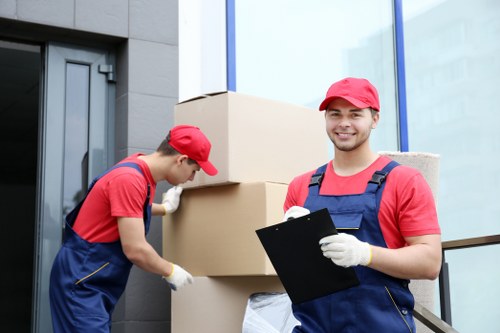
Staff will be supplied with appropriate PPE including gloves, hi-vis clothing, safety footwear and eye protection where needed. Training programmes cover manual handling techniques, safe lifting, spill response, sharps awareness and respiratory precautions where dust is present. Training records will be maintained and refresher sessions scheduled regularly to ensure competency across the team.
Manual Handling and Ergonomics
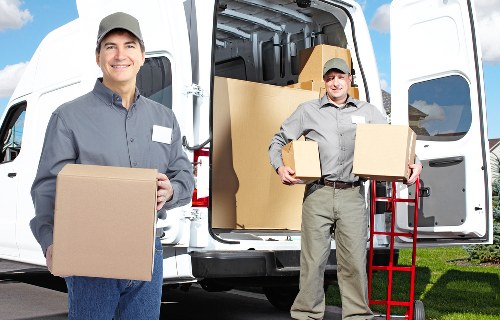
Manual handling risks are controlled through job planning, two-person lifts for heavy items and the use of mechanical aids. Where practicable, items will be disassembled before transport. Staff are encouraged to communicate about load limits and stop work if a task is unsafe.
Our man with van Marylebone crews follow lifting protocols to prevent strains and musculoskeletal injuries.
Waste Segregation and Hazardous Materials
Clear guidance exists for segregation of waste streams. General rubbish, recyclables and bulky waste are separated at source where possible. Any suspected hazardous materials (e.g. asbestos, chemicals, contaminated sharps) will be reported and isolated; these will not be handled by standard crews and will be escalated to qualified waste specialists. Disposal follows statutory requirements and licensed facilities only.
Incident Reporting and Emergency Procedures
All incidents, near misses and injuries must be reported promptly. An incident register will be maintained and investigated to identify root causes and corrective actions. Emergency procedures include first aid arrangements, contact with emergency services, spill containment and vehicle breakdown protocols. Staff are trained in basic first aid and emergency communication methods to ensure rapid response.
Monitoring, Audits and Continuous Improvement
Compliance is monitored through routine site inspections, vehicle checks and periodic audits. Performance indicators such as incident frequency, training completion and audit results are reviewed at management meetings. Findings lead to corrective actions and policy updates. We use a continuous improvement approach to refine operations and safety practices across the rubbish collection network.
Health Surveillance and Wellbeing
Where work exposes staff to health risks such as frequent vibration, dust or repetitive manual handling, health surveillance arrangements will be put in place. Occupational health support and wellbeing measures are promoted to maintain a healthy workforce capable of delivering reliable removal and rubbish clearance services.
Policy Review and Legal Compliance
This policy is reviewed annually or following significant incidents, legislative changes or operational shifts. The organisation commits to meeting applicable health and safety law and good practice standards without over-specifying local legal details. All personnel are required to cooperate with safety arrangements and help maintain a safe working environment while delivering professional rubbish removal and man-and-van services.