Furniture Disposal Laws in Marylebone: Council Recycling
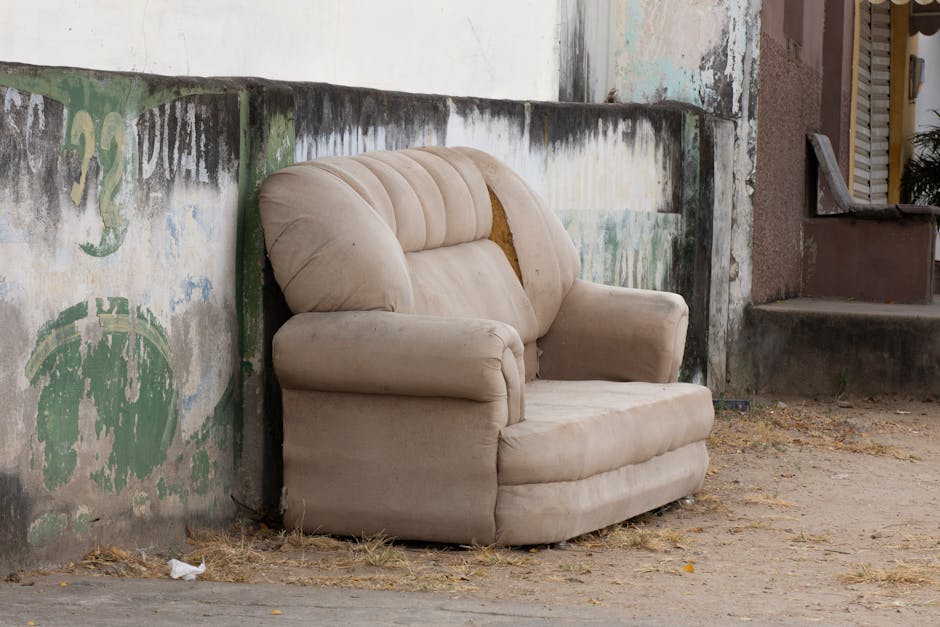
Getting rid of a worn-out sofa, a broken dining table, or a heavy wardrobe sounds simple right up until you realise there are rules attached to it. In Marylebone, furniture disposal laws and council recycling guidance matter because the wrong move can mean fly-tipping, missed collections, or a perfectly usable item ending up in landfill for no good reason. If you are clearing a flat, handling a move, or replacing furniture after years of use, this guide walks you through the practical side of doing it properly. No fluff, no guesswork - just clear, local-minded advice you can actually use.
You will also see when council recycling is the right route, when a licensed removal service makes more sense, and how to avoid the little mistakes that trip people up. Truth be told, most problems start with rushing. A five-minute check now can save you a headache later.
- Why Furniture Disposal Laws in Marylebone: Council Recycling Matters
- How Furniture Disposal Laws in Marylebone: Council Recycling Works
- Key Benefits and Practical Advantages
- Who This Is For and When It Makes Sense
- Step-by-Step Guidance
- Expert Tips for Better Results
- Common Mistakes to Avoid
- Tools, Resources and Recommendations
- Law, Compliance, Standards, or Best Practice
- Options, Methods, or Comparison Table
- Case Study or Real-World Example
- Practical Checklist
- Conclusion
- Frequently Asked Questions
Why Furniture Disposal Laws in Marylebone: Council Recycling Matters
Furniture disposal is not just a tidy-up job. It sits at the intersection of waste rules, recycling priorities, public space management, and common sense. In an area like Marylebone, where pavement space is limited and streets can be busy even on a quiet weekday, leaving furniture out incorrectly can create obstruction, safety issues, and an instant nuisance for neighbours.
The law side matters because once an item leaves your home, you are still responsible for ensuring it is disposed of properly. That is the bit people often miss. If your old sofa is handed to the wrong carrier and later dumped somewhere it should not be, the trail can still come back to you. Not always, of course, but enough to make a proper handover worth taking seriously.
Council recycling matters too because furniture is rarely just "rubbish". Some pieces can be reused, some can be broken down for material recovery, and some need specialist handling due to fire safety fillings, upholstery, glass, or mixed materials. A chair with a wooden frame and a fabric seat sounds simple until you are standing there on a Tuesday evening, wondering whether to leave it, list it, or haul it yourself. The answer depends on condition, size, access, and whether collection rules allow it.
Expert summary: If a piece can be reused, repair it or pass it on. If it cannot, make sure it goes through a legitimate recycling or disposal route that fits local rules and protects you from unnecessary risk.
How Furniture Disposal Laws in Marylebone: Council Recycling Works
The basic process is more straightforward than people expect. In practice, furniture disposal in Marylebone usually falls into one of three routes: reuse, council collection, or private removal and recycling. The right route depends on the item's condition, what it is made of, and how quickly it needs to go.
Start with reuse where possible. If the item is still structurally sound, clean enough to use, and safe, that is often the best outcome. Reuse avoids disposal altogether, which is better for the environment and usually kinder on your wallet too. If reuse is not realistic, council recycling or a licensed furniture pick-up service becomes the next sensible step.
Council recycling tends to work best for smaller volumes or when you have a clear collection arrangement. You may need to book in advance, place items out at the correct time, and follow local guidance carefully. That usually means no blocking pathways, no dumping on the street "just in case", and no mixing in materials that the collection cannot take. Simple enough in theory. Less simple when a wardrobe has to come down two flights of stairs and the hallway turns into an obstacle course.
Private furniture disposal services can be more flexible, especially for bulky items, awkward access, or multiple pieces. A properly run removal team should know how to lift, sort, and route furniture for recycling where possible. If you are already moving home, it can be efficient to combine disposal with a broader service such as man with van support, or use a dedicated furniture pick-up service for specific items that need to go.
For larger moves, a wider service like home moves or house removalists can help you manage disposal alongside relocation. And if the disposal is part of an office clear-out or commercial changeover, commercial moves and office relocation services may be more appropriate.
Key Benefits and Practical Advantages
Following the proper furniture disposal route is not just about ticking a compliance box. It has practical benefits that show up fast once the heavy lifting begins.
- Less risk of fines or complaints: Incorrectly placed bulky waste can create issues with neighbours, building managers, or the local authority.
- Better recycling outcomes: Furniture contains wood, metal, foam, textiles, and plastics that can often be recovered if handled properly.
- Safer for everyone involved: Bulky furniture can cause injury if it is dragged, dropped, or left where people trip over it.
- Cleaner handover during a move: Decluttering before moving day makes loading faster and the final property easier to present.
- Less stress: Honestly, there is a lot to be said for getting one awkward job out of the way without having to think about it again.
There is also a quiet financial upside. If you sell, donate, or recycle furniture instead of sending everything to disposal, you reduce waste and often reduce the number of trips, which can matter whether you are managing the job yourself or booking help. If cost is a concern, checking pricing and quotes early can help you compare options before the old sofa becomes a last-minute problem.
Who This Is For and When It Makes Sense
This topic is relevant to a lot more people than you might think. If you live in a Marylebone flat with tight stairs, shared entrances, or limited on-street space, furniture disposal gets complicated quickly. It also matters if you are moving out, replacing items after a renovation, or clearing a property after a tenancy ends.
Here are the most common situations where understanding council recycling and disposal rules makes a real difference:
- Residents replacing bulky household furniture
- Landlords clearing a flat between tenancies
- Students or short-term renters leaving fitted items behind
- Office managers disposing of desks, chairs, and storage units
- Families doing a pre-move declutter before booking a van
- Anyone dealing with a broken item that cannot be reused
It is also relevant if you are dealing with mixed household waste. A sofa, for example, is one thing. A sofa with cushions, loose screws, packaging, and an old rug tucked underneath it - that is where disposal starts to become messy. The smarter approach is to separate what can be reused, what can be recycled, and what needs to be removed as waste. That little bit of sorting goes a long way.
Step-by-Step Guidance
If you want a simple method that keeps you on the right side of the rules, use this sequence.
- Assess the condition. Is the furniture reusable, repairable, or beyond saving? Be honest here. A wobbly chair with one missing leg is rarely a donation candidate.
- Identify the material and type. Wood, metal, upholstered items, mattresses, appliances, and mixed-material pieces often follow different disposal pathways.
- Check the collection route. Decide whether council recycling, reuse, or a private collection is the best fit for your item and timing.
- Measure access. Large items may need to be dismantled or carried through narrow halls, so check door widths, stairs, and lift access before collection day.
- Separate related waste. Remove cushions, loose glass, screws, batteries, and packaging where appropriate. It keeps handling safer and sorting easier.
- Book or arrange the collection. If you are using a service, confirm what is accepted, how items should be presented, and where collection will happen.
- Set items out correctly. Don't block pavements or building exits. Keep the area clear for pedestrians and neighbours.
- Keep proof of collection. A receipt, invoice, or written confirmation can be useful if you need to show that the disposal was handled properly.
If you are handling more than just one item, a service like man and van or removal truck hire can be more efficient than trying to coordinate several smaller trips. And if you are clearing out a full room, pairing disposal with packing and unpacking services can save time that you probably do not have.
Expert Tips for Better Results
There are a few practical habits that make furniture disposal much smoother. None are dramatic. They just save time, and sometimes a sore back.
- Sort before you move anything. Keep reusable items separate from broken ones so you do not waste effort loading the wrong thing twice.
- Dismantle what you can. Flat-pack furniture, bed frames, and modular shelves are usually easier to remove in parts.
- Use gloves and proper shoes. Old staples, splinters, and sharp fittings are annoyingly common.
- Watch for hidden hazards. Treat old fridges, appliances, and any item with wiring or gas-related parts as specialist waste rather than general rubbish.
- Think about reuse first. If an item is still good, donating or passing it on is often the cleanest solution.
One thing people often forget is the end of the process. A room can look empty, but the skirting board may still have dust, nails, or tiny bits of foam. A quick sweep afterwards makes the whole job feel finished. Small detail, big difference.
If the furniture includes electrical or refrigeration components, you may need a more specific route such as fridge and appliance removal. And for items like bedding or lounge furniture, the guidance on mattress and sofa disposal is especially useful because those pieces tend to be bulky, awkward, and a bit annoying to handle.
Common Mistakes to Avoid
Most furniture disposal mistakes are avoidable. The tricky part is that they are usually made on busy days, when nobody wants to stop and think.
- Leaving items on the pavement without approval. That can create an obstruction and may be treated as improper disposal.
- Assuming all furniture can be recycled the same way. It cannot. Upholstered items, wood, and appliances may need different handling.
- Mixing furniture with hazardous waste. Paint tins, chemicals, batteries, and similar items should never be bundled in with general furniture waste. If you are unsure, check hazardous waste disposal.
- Not measuring access routes. A sofa that fits in your flat may still not fit through the stairwell on collection day.
- Choosing convenience over compliance. The cheapest shortcut can become the most expensive mistake if the furniture ends up dumped.
A smaller mistake, but a common one, is forgetting paperwork. If you are using a professional disposal route, keep the booking confirmation and any receipt. It is not glamorous, but it helps if questions come up later.
Tools, Resources and Recommendations
You do not need fancy equipment to manage furniture disposal well, but a few practical tools help a lot.
- Measuring tape: Useful for checking doorways, stair turns, lifts, and corridor widths before moving bulky items.
- Screwdriver or Allen keys: Often all you need to dismantle bed frames, tables, and shelving.
- Heavy-duty gloves: Helpful when handling rough edges, splinters, and dusty fabric.
- Blankets or wraps: Reduce damage while carrying items through tight spaces.
- Sorting bags or boxes: Good for screws, fittings, cushions, and small loose parts.
For a broader eco-minded approach, the page on recycling and sustainability is a useful companion read. It supports the same basic principle: keep usable materials in circulation where possible, and only dispose of what genuinely has no better route.
If you are clearing a workplace rather than a home, it is worth reviewing whether the job sits better alongside commercial moves or office relocation services. That can help you plan furniture removal, document handling, and furniture replacement in one go instead of piecemeal chaos. Been there, and it gets messy fast if you don't plan it properly.
Law, Compliance, Standards, or Best Practice
Furniture disposal in the UK is shaped by general waste responsibilities, local collection rules, and the basic duty not to cause environmental harm or dump waste illegally. In plain English, you are expected to dispose of furniture responsibly and use legitimate routes. The exact council procedure can vary, so the safest approach is to follow the relevant local collection guidance and confirm what is accepted before putting anything out.
Best practice is simple: use a lawful collection method, keep records where appropriate, and avoid handing waste to anyone who cannot clearly explain where it is going. That applies whether you are disposing of one chair or clearing a whole property. If a company cannot tell you how reusable items are separated from waste, that is a mild red flag. Not panic stations, just a sign to ask more questions.
There is also a safety angle. Bulky items should be handled carefully, especially on stairs or in properties with narrow access. Any service you use should have sensible handling procedures, suitable transport, and appropriate care for the property. The detail matters. For extra peace of mind, some readers also review health and safety policy and insurance and safety information when choosing a removal provider.
If the furniture disposal includes confidential paperwork, mixed office items, or archive material, a related service such as confidential shredding may be worth considering alongside the clear-out.
Options, Methods, or Comparison Table
There is no single best disposal method for every piece of furniture. The right choice depends on condition, quantity, speed, and whether you want the item reused or simply removed. Here is a straightforward comparison.
| Method | Best for | Pros | Watch-outs |
|---|---|---|---|
| Reuse or donation | Good-quality furniture | Lowest waste, often best environmental outcome | Needs items to be clean, safe, and presentable |
| Council recycling/collection | Bulky household items with planned disposal timing | Can be cost-effective and locally managed | May require strict booking and presentation rules |
| Private furniture pick-up | One-off items, awkward access, quicker turnaround | Flexible, practical, often less stressful | Check what is included and how materials are handled |
| Full removal support | Moves, clear-outs, or multiple bulky items | Useful when time and access are tight | Usually more expensive than DIY |
If you are deciding between DIY and professional help, ask yourself one question: what costs more, your time and effort, or the service itself? Sometimes the answer is obvious. Sometimes not. But if you have a heavy wardrobe, a narrow staircase, and a deadline before noon, the answer tends to lean one way.
Case Study or Real-World Example
Imagine a typical Marylebone flat clear-out. A resident is moving out of a top-floor property and needs to remove a sofa, a coffee table, and a chest of drawers. The sofa is still usable, but bulky. The table is scratched yet structurally fine. The chest of drawers is broken at the base and not worth repairing.
The sensible approach would be to sort the items first. The sofa and table could be checked for reuse. If they are not suitable for donation, they can be booked for collection through an appropriate disposal route. The broken chest of drawers can go as waste, but only if it is handled through a lawful collection method and not left outside in a way that obstructs the pavement.
In a real job like this, access usually becomes the deciding factor. If the stairwell is narrow and the lift is small, the collection needs to be planned carefully. This is where using a service such as man with van or furniture pick-up makes sense, because it keeps the job controlled and avoids improvisation in a cramped hallway at 8 a.m.
The result is simple: the resident leaves the property empty, the reusable items avoid waste where possible, and the disposal process stays orderly. Not flashy, but exactly what you want.
Practical Checklist
Use this quick checklist before you arrange furniture disposal in Marylebone.
- Check whether the item can be reused, donated, or repaired
- Identify whether the furniture contains mixed materials, upholstery, glass, or electrical parts
- Measure doors, stair turns, and access routes
- Separate loose fittings, cushions, and small parts
- Confirm whether council recycling is suitable for the item
- Choose a lawful collection method if council pickup is not practical
- Keep the collection area clear and safe
- Retain any booking confirmation or receipt
- Review related waste items separately, especially appliances or hazardous materials
- Give yourself a bit of time rather than trying to do it in a rush
That last one matters more than people think. A calm half-hour of planning can save a whole afternoon of scrambling.
Conclusion
Furniture Disposal Laws in Marylebone: Council Recycling are easiest to manage when you treat furniture as a responsibility, not just clutter. Start by checking whether the item can be reused. Then choose the proper route for anything that needs to go: council recycling where suitable, or a lawful removal and recycling service when access, timing, or quantity makes DIY awkward.
In a busy part of London, this is one of those jobs that looks small on paper but grows fast in real life. The good news is that with a little planning, it stays manageable. And once the bulky pieces are gone, the room feels lighter in a way you can almost hear. A bit more space, a bit less noise, a lot less stress.
If you are comparing practical removal options, reviewing book online alongside the service pages can help you move from planning to action without overthinking it.
Get a free quote today and see how much you can save.
And if all you manage tonight is one sofa moved, one drawer emptied, or one plan confirmed, that is still progress. Good enough is often the start of done.
Frequently Asked Questions
What counts as furniture disposal in Marylebone?
It includes removing unwanted household or office furniture such as sofas, tables, chairs, wardrobes, beds, desks, and storage units, whether they are reused, recycled, or sent for lawful disposal.
Can I leave old furniture outside for collection?
Only if it is part of an arranged collection and placed exactly as instructed. Leaving bulky items out without approval can cause obstruction and may lead to complaints or enforcement issues.
Is council recycling always the cheapest option?
Not always. Council collection can be cost-effective for some items, but if access is awkward or you have multiple bulky pieces, a private furniture pick-up may be more practical overall.
What furniture can usually be reused instead of thrown away?
Items that are clean, structurally sound, and safe are the best reuse candidates. That often includes solid wood tables, chairs, some bed frames, and good-condition sofas.
How do I know if a sofa can be recycled?
It depends on the sofa's construction, condition, and any local collection restrictions. Upholstered furniture often needs specific handling, so it is worth checking the collection route before booking.
Do I need to dismantle furniture before disposal?
Not always, but dismantling can make collection safer and easier, especially for wardrobes, bed frames, and large shelving. It also helps if access is tight.
What happens if furniture includes metal, wood, and fabric?
Mixed-material furniture may still be recyclable, but it often needs sorting or processing by a service that understands how to separate components correctly.
Can I dispose of a mattress and sofa together?
Yes, but they may be treated as separate bulky items with specific handling needs. A service familiar with mattress and sofa disposal is a good fit for that kind of job.
What should I do with furniture that has hidden hazards?
If the item has electrical components, refrigerant, batteries, chemicals, or anything else that could be hazardous, keep it separate and use the appropriate disposal route rather than general bulky waste collection.
How far in advance should I plan furniture disposal?
As early as you can, especially if you are moving or clearing a property. A bit of lead time helps with access checks, booking, and deciding whether reuse or recycling is the best route.
Is it better to book furniture disposal with a move?
Often yes. If you are already organising a home or office move, combining disposal with the main job can save time, reduce handling, and make the whole day more efficient.
What is the safest way to avoid disposal problems?
Check the item's condition, separate any hazardous materials, follow collection rules closely, and keep evidence of lawful disposal. Simple steps, but they make a real difference.
Where can I learn more about safe recycling and disposal?
Reading the site's guidance on recycling and sustainability is a sensible next step if you want to make better long-term disposal choices.