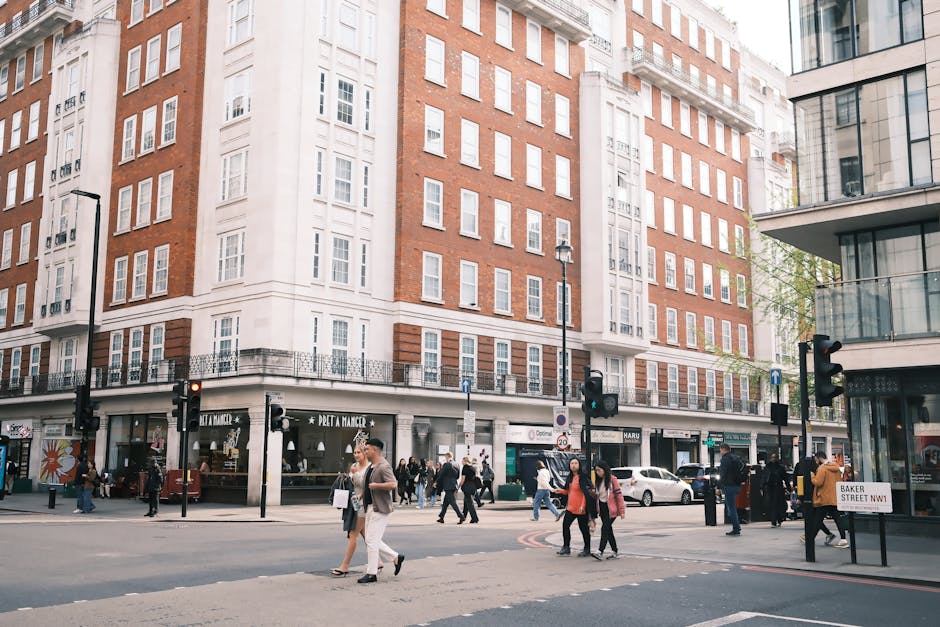
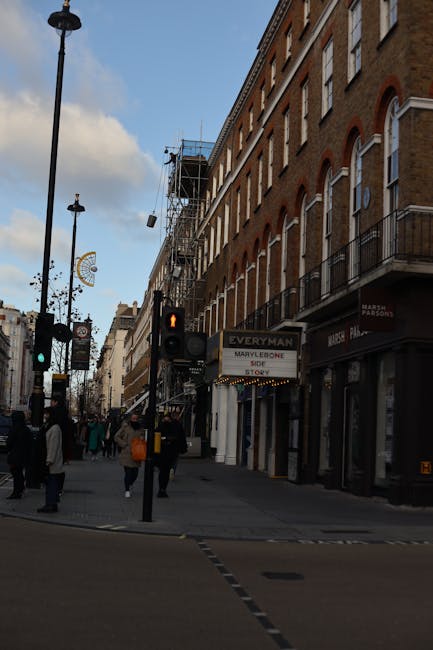
Baker Street Removals: Van Access & Parking in Marylebone
Moving around Baker Street in Marylebone looks straightforward on a map. In practice, it can be a different story. Tight streets, controlled parking, busy traffic, delivery activity, resident bays, and unpredictable loading space can all turn a simple removal into a logistical puzzle. If you are planning Baker Street removals: van access & parking in Marylebone, the real challenge is not just getting the van there. It is getting it there legally, safely, and at the right time.
This guide explains how access usually works, what makes Baker Street and the surrounding Marylebone streets tricky, and how to plan a move that avoids the classic headaches. Whether you are moving a studio flat, a townhouse, or an office near Baker Street, the difference between a smooth move and a stressful one usually comes down to preparation. And yes, a few minutes spent understanding parking rules can save a lot more than a few minutes on moving day.
For readers exploring wider moving support in the area, you may also find our removals in Marylebone overview, man with van service in Marylebone, and packing and boxes guidance useful alongside this article.
Table of Contents
- Why Baker Street Removals: Van Access & Parking in Marylebone Matters
- How Baker Street Removals: Van Access & Parking in Marylebone Works
- Key Benefits and Practical Advantages
- Who This Is For and When It Makes Sense
- Step-by-Step Guidance
- Expert Tips for Better Results
- Common Mistakes to Avoid
- Tools, Resources and Recommendations
- Law, Compliance, Standards, or Best Practice
- Options, Methods, or Comparison Table
- Case Study or Real-World Example
- Practical Checklist
- Conclusion
- Frequently Asked Questions
Why Baker Street Removals: Van Access & Parking in Marylebone Matters
Baker Street sits in one of central London's most demanding moving environments. The area is busy at almost every hour of the day, and even a short stretch of road can be affected by loading restrictions, traffic flow, nearby businesses, and footfall from residents, commuters, and visitors. For removals, that means access is not a side issue. It is the job.
When a van cannot stop close enough to the property, everything slows down. Crew members carry items further, the move takes longer, and the risk of damage rises. In a flat move, that might mean repeated trips through communal entrances or stairwells. In an office move, it can affect timing with building management, reception, and lift access. In Marylebone, the margin for error is small.
This is why local knowledge matters. A removal team familiar with the area understands the difference between a street that is technically accessible and one that is realistically workable. They know how a vehicle size, timing window, and parking arrangement interact. That local awareness is often more valuable than raw muscle.
Marylebone is also a place where people move for many different reasons. Some are relocating for work near Baker Street station. Others are upsizing, downsizing, or shifting between rental properties. If you are deciding whether the area suits your lifestyle or next move, the broader local context can help too. Our guides on whether Marylebone is the right fit and finding calm in Marylebone offer a useful picture of the neighbourhood beyond moving day.
Key takeaway: In Baker Street and the surrounding Marylebone streets, successful removals usually depend on access planning first and packing second.
How Baker Street Removals: Van Access & Parking in Marylebone Works
The process is usually simple in principle and more detailed in execution. A removal van needs a lawful place to stop, enough space to load or unload, and a safe route between the vehicle and the property entrance. Sounds easy enough. In reality, every one of those steps can involve small complications.
For example, the property may be on a narrow side street off Baker Street with limited bay space. The van may need to use a loading bay, shared parking zone, or a short temporary stop while the team works fast. If the building has a concierge or requires lift booking, the move may need to be timed around access windows. If parking restrictions apply, the route and stopping point may need to be planned in advance rather than improvised on the day.
In Marylebone, the strongest approach is to treat access as part of the move plan, not something to solve when the van arrives. That usually means checking:
- the exact postcode and street layout
- whether the property is on a main road, side street, mews, or courtyard
- loading restrictions or controlled parking nearby
- the time of day when stopping is most realistic
- building access, lift availability, and any required permits or notices
If your move involves a smaller load or a single item, a more flexible service such as a man and van in Marylebone or a removal van service may be enough. Larger home moves may call for a fuller team, especially when access is awkward or the property has multiple floors. For that, our house removals and flat removals pages explain the difference in scope and planning.
One useful distinction: parking availability and loading access are not the same thing. A road may have no convenient long-stay parking, yet still allow a short lawful loading stop. That distinction matters a great deal on Baker Street, where the right stop for ten minutes can be more valuable than a supposedly "available" bay half a block away.
Key Benefits and Practical Advantages
Good access planning gives you more than convenience. It improves the whole move experience.
- Shorter loading times: A van parked closer to the entrance means fewer carrying runs and less fatigue.
- Lower damage risk: Shorter distances reduce the chance of bumps, scrapes, and dropped items.
- Better schedule control: Tight Marylebone moves often run on a chain of appointments, lifts, and key handovers. Good parking keeps the chain intact.
- Less disruption to neighbours and road users: Efficient loading is simply easier for everyone around you.
- More predictable pricing: When access is assessed properly, quotes are usually more accurate and less likely to drift because of delays.
There is also a calmness benefit that is easy to underestimate. When the van has a proper place to stop, the whole move feels less like a scramble. You are not asking the driver to circle the block repeatedly while you stand on the pavement hoping for luck. That alone is worth planning for.
If you need supporting services, local options such as furniture removals, piano removals, or storage in Marylebone can make the move easier to manage in stages rather than all at once.
Who This Is For and When It Makes Sense
This kind of planning matters for anyone moving near Baker Street, but it is especially useful if you are dealing with one of these situations:
- Flat moves in converted buildings: Many Marylebone properties have narrow entrances, shared stairwells, or limited lift access.
- Office relocations: Business moves often have tighter timing, security rules, and limited tolerance for vehicle delays. See our office removals page for more context.
- Student or short-term lets: Smaller moves can still be awkward if parking is poor. Our student removals service is designed for that style of move.
- Same-day or urgent moves: Access problems are harder to solve when time is limited, which is why our same-day removals support is often planned around simplicity and flexibility.
- People moving valuable or awkward items: If you are moving delicate furniture, instruments, or large appliances, every extra metre from van to door matters.
This is also a good fit if you are comparing removal companies and want to understand the real difference between a general service and one that knows central London streets properly. A company that understands Marylebone access is usually better placed to give you sensible advice before the move starts. If you are still shopping around, our removal companies in Marylebone page is a practical starting point.
Step-by-Step Guidance
Here is the cleanest way to plan a Baker Street move without leaving parking to chance.
- Confirm the exact address and entrance point. Many central London buildings have more than one access point, and the right one can make a major difference.
- Check the street layout. Look at whether the property fronts a main road, side street, mews, or gated entrance.
- Identify likely loading opportunities. You are looking for short-stay stopping options, not just long-term parking.
- Work out the timing window. Early mornings and quieter parts of the day can be easier, but local conditions change, so verify rather than assume.
- Tell the removal company about obstacles. Mention steps, lift size, shared entrances, concierge restrictions, and any known parking limitations.
- Book or reserve access if required. Some buildings expect advance notice for move-in or move-out days.
- Prepare the property. Boxes, labels, and dismantled furniture reduce time on the pavement and make the van stop more efficient.
- Have a backup plan. If the first stopping point is occupied, know where the next sensible option is.
The most successful moves in Marylebone are rarely the most dramatic. They are the ones where someone quietly checked the practical details two days earlier. Not exciting, perhaps, but very effective.
If you are deciding how much help you need, our services overview and pricing and quotes pages can help you match the move size to the right support level.
Expert Tips for Better Results
These are the details that tend to separate a manageable move from a frustrating one.
- Measure access, not just furniture. A sofa can fit through a doorway and still be miserable to move if the van cannot stop near the entrance.
- Keep the front of the route clear. If possible, reserve space for boxes and fragile items near the exit so the team can load in order.
- Use consistent labelling. In a building with tight access, the faster you identify each box, the less time items spend exposed outside.
- Ask about vehicle size early. A smaller van may fit access better even if a larger one could carry more in theory.
- Plan for weather. Rain is a minor inconvenience until it is not. On a busy pavement, a wet box and a narrow doorway are not a charming combination.
- Bundle the move with packing support if needed. If you want less stress, our packing and boxes service can remove a surprising amount of friction from moving day.
For businesses or residents with special items, it is smart to book specialist help rather than hope a general vehicle setup will cope. That might mean man with a van support for lighter jobs, or a more complete removal service for heavier and more complex moves.
And a small, genuinely useful tip: keep keys, permits, phone chargers, and building contacts in one bag that stays with you, not in the back of the van. It sounds obvious. It is also the item people most often wish they had done differently.
Common Mistakes to Avoid
Most access problems in Baker Street removals come from predictable mistakes rather than bad luck.
- Assuming parking will "work itself out". In Marylebone, that is an expensive gamble.
- Booking the wrong vehicle size. Too large and you may struggle with access; too small and you may need extra journeys.
- Ignoring building rules. Some properties need prior notice, lift booking, or specific time slots.
- Leaving fragile items for last-minute loading. That creates rush and increases damage risk.
- Forgetting that traffic affects your move start time. A late van arrival can disrupt everything that follows.
- Not telling the crew about steps or awkward entrances. Hidden access issues create avoidable delays.
Another common problem is underestimating how long loading actually takes when the van cannot pull up directly outside. A move that seems small on paper can take much longer once every box has to be carried through a shared entrance or around a corner. This is especially true for upper-floor flats and period properties.
Tools, Resources and Recommendations
You do not need a complicated toolkit, but a few practical resources can help.
- Street maps and satellite views: Helpful for spotting narrow roads, corners, and likely stopping points.
- Building management contacts: Useful for confirming lift access, time windows, and any move-in rules.
- Detailed inventory list: Keeps the loading sequence efficient and helps identify priority items.
- Packing materials: Strong boxes, tape, labels, and protective wraps matter more than people expect.
- Quote comparison: Look beyond price alone and consider whether access planning is included.
If you want to understand how a local provider structures service, check the company background on the about us page and its approach to insurance and safety. Those pages are a good sign of how seriously a mover treats risk, accountability, and customer care.
For environmentally mindful moves, it can also help to review recycling and sustainability practices, particularly if you are clearing out unwanted furniture or packaging during the move.
Law, Compliance, Standards, or Best Practice
Central London removals are shaped by practical compliance more than by one single rulebook. Depending on the location and vehicle, there may be local parking restrictions, loading restrictions, permit requirements, building access policies, and safety expectations that need to be respected. Because these can vary, the safest approach is always to verify the details for your exact street and building rather than relying on assumptions.
Good practice usually includes:
- checking whether stopping is allowed where the van is likely to load or unload
- using the correct vehicle size for the road and access conditions
- informing residents or building management where required
- keeping walkways and entrances clear during the move
- handling items safely to reduce risk to people and property
Professional movers should also be able to explain how they handle customer property, staff safety, and service terms. Relevant company policies such as health and safety, terms and conditions, privacy policy, and payment and security help build trust. If you have questions after booking, a clear complaints procedure is also worth having.
Where service providers discuss ethical sourcing or workforce standards, you may also see references to a modern slavery statement and accessibility statement. Those pages matter because they show the business is thinking beyond the move itself.
Options, Methods, or Comparison Table
Different moving setups suit different access conditions. Here is a simple comparison to help you decide.
| Option | Best for | Strengths | Limitations |
|---|---|---|---|
| Man and van | Small moves, single rooms, flexible loads | Quick, adaptable, often easier on tight streets | May not suit large or complex properties |
| Removal van service | Moderate-sized household moves | Balanced capacity and efficiency | Still depends on access planning |
| Full removals team | Whole-home or office moves | More manpower, better for stairs and heavy items | Requires more coordination and timing |
| Same-day support | Urgent or late-changing plans | Fast response and simplified logistics | Less room for complexity or delays |
As a rule of thumb, the more difficult the access, the more useful it is to choose a service that values planning over volume. A smaller vehicle in the right place can outperform a bigger vehicle in the wrong one.
Case Study or Real-World Example
Imagine a two-bedroom flat near Baker Street with a narrow frontage and no guaranteed parking immediately outside. The residents need to move furniture, boxed household goods, and a few bulky items. At first glance, the job appears straightforward. In reality, the route from van to flat includes a shared entrance, a lift booked in a short window, and limited stopping space on the street.
The move is handled more efficiently when the team does three things in advance: confirms the best approach to the entrance, plans a smaller van if needed, and schedules the loading sequence so the heaviest items go first. A quick call to building management avoids a delay at the door. Boxes are labelled by room. The van stops where it is allowed, not where it would be most convenient in an ideal world.
The result is not glamorous, but it is smooth. The move finishes within the expected time, the residents are not forced into repeated loading disruptions, and neighbours are less affected. That is what good access planning looks like: boring in the best possible way.
This is also where a local service can add value beyond transport. If you are handling a property move rather than just a vehicle booking, local Marylebone expertise can reduce friction at several points. For readers exploring the broader property side of moving, our guides on selling property in Marylebone and investing in Marylebone property may also be relevant.
Practical Checklist
Use this checklist before moving day.
- Confirm the full address, postcode, and entrance details
- Check street access and likely van stopping points
- Ask about loading restrictions or parking limitations
- Notify building management if required
- Reserve lifts or service access where applicable
- Choose the right vehicle size for the job
- Label boxes clearly and group by room
- Keep essentials, keys, and documents with you
- Prepare fragile items for easier handling
- Share any stairs, narrow hallways, or awkward corners with the mover
- Confirm insurance, payment details, and service terms
- Have a backup contact number on the day
Expert summary: In Baker Street and wider Marylebone, the best move is usually the one that is planned around access first and lifting second. If you get the parking and stopping point right, the rest becomes far easier.
Conclusion
Baker Street removals are rarely difficult because of the items themselves. They become difficult when access, stopping space, and timing are treated as afterthoughts. Marylebone rewards preparation. If you know where the van can stop, how long it can stay there, and how the property can be reached from the pavement, you remove most of the stress before moving day even begins.
Whether you are moving a flat, a house, or an office near Baker Street, a thoughtful approach to access and parking helps protect your time, your belongings, and your budget. That is the real advantage of choosing a mover who understands local streets, not just moving trucks.
If you are planning a move and want help choosing the right service level, explore our local support pages on removal services in Marylebone, house removals, or flat removals. A bit of local planning goes a long way.
Get a free quote today and see how much you can save.
Frequently Asked Questions
Can a removal van park outside Baker Street properties?
Sometimes, but not always. It depends on the specific street, the time of day, and whether loading or stopping is permitted. In Marylebone, it is safer to plan for a lawful loading point rather than assume curbside space will be available.
What is the best van size for a Marylebone move?
The best size is the one that matches both the volume of items and the access conditions. A smaller van can be more practical on tight streets, while a larger vehicle may be useful for bigger loads if the road and stopping space allow it.
Do I need parking or loading permission for removals near Baker Street?
You may need permission, or at least confirmation that loading is allowed in the area you plan to use. Because parking controls vary by street and time, check the exact location in advance with your mover and, where necessary, with local parking information.
How early should I book a removal for Baker Street?
As early as you can, especially if you need a specific time window, building access, or specialist handling. Central London removals are more likely to be affected by timing constraints, so leaving it late can limit your options.
What if the van cannot stop directly outside my building?
The crew will usually plan the closest lawful alternative and factor in the extra carrying distance. This is common in Marylebone, which is why clear access information helps so much when quoting and scheduling.
Are flats around Baker Street harder to move than houses?
Often, yes, because flats can involve lifts, shared entrances, stairs, and tighter parking conditions. That said, a well-planned flat move can be very efficient if access details are checked properly. See our flat removals page for more detail.
Can you do same-day removals in Marylebone?
Yes, in some cases. Same-day work is more feasible when the move is small, the access is straightforward, and the route is simple. If you need urgent help, look at our same-day removals option.
How do I make moving day easier in a busy area like Baker Street?
Keep boxes labelled, tell your mover about access problems early, prepare the route from room to van, and confirm any building requirements in advance. The less you leave to chance, the smoother the day usually feels.
Is a man and van service enough for Baker Street removals?
It can be, especially for smaller homes, student moves, or single-item jobs. For a larger property or a move involving stairs and awkward access, a more complete removals service may be the better fit.
What should I tell the removal company before the move?
Give them the exact address, floor level, lift access, parking restrictions, loading options, and any awkward features such as narrow hallways or steps. The more accurate the briefing, the more reliable the plan.
How do I know if a mover understands Marylebone access?
They should ask detailed questions about parking, access, timing, and building rules rather than just asking how many boxes you have. A local mover should sound interested in the street itself, not only the items being moved.
Where can I read more about service quality and policies?
It is sensible to review company pages such as insurance and safety, terms and conditions, and about us. These pages help you judge how the business operates and how it handles customer care.